Recently, the Dutch cast their votes to elect a new government. This post is neither to forecast the election result nor to discuss the parties that will form government in the Netherlands 2023, but to share some facts about the electoral process & ecosystem.

1. In the Netherlands, Not a single party forms the government with a full majority, but always a coalition government with multiple parties (like in 2021, four parties like VVD, D66, CDA and CU) joined to form the government.
Some say it is more important for a political party to win the formation process than to win election.
2. There are more than 25 political parties representing capitalists, socialists, liberals, conservatives etc. unlike other countries like the US etc.
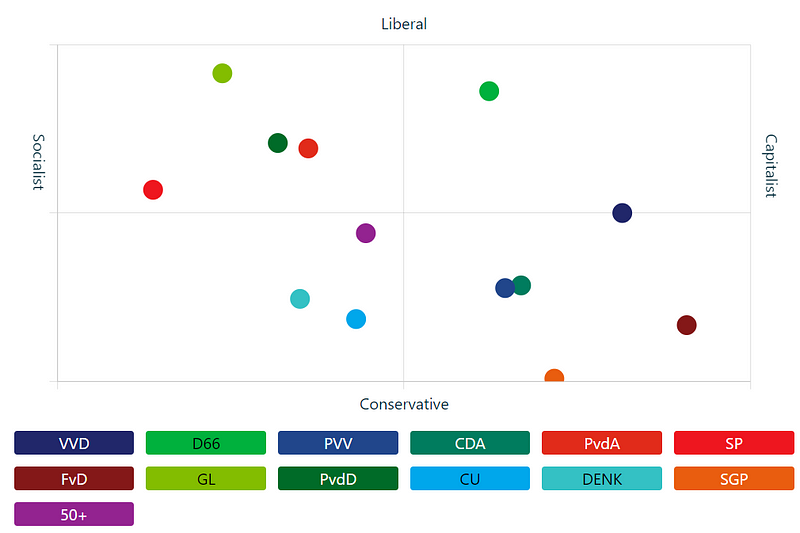
3. There is no Public holiday for civilians to cast a vote for Tweede Kamer, known as the House of Representatives election.
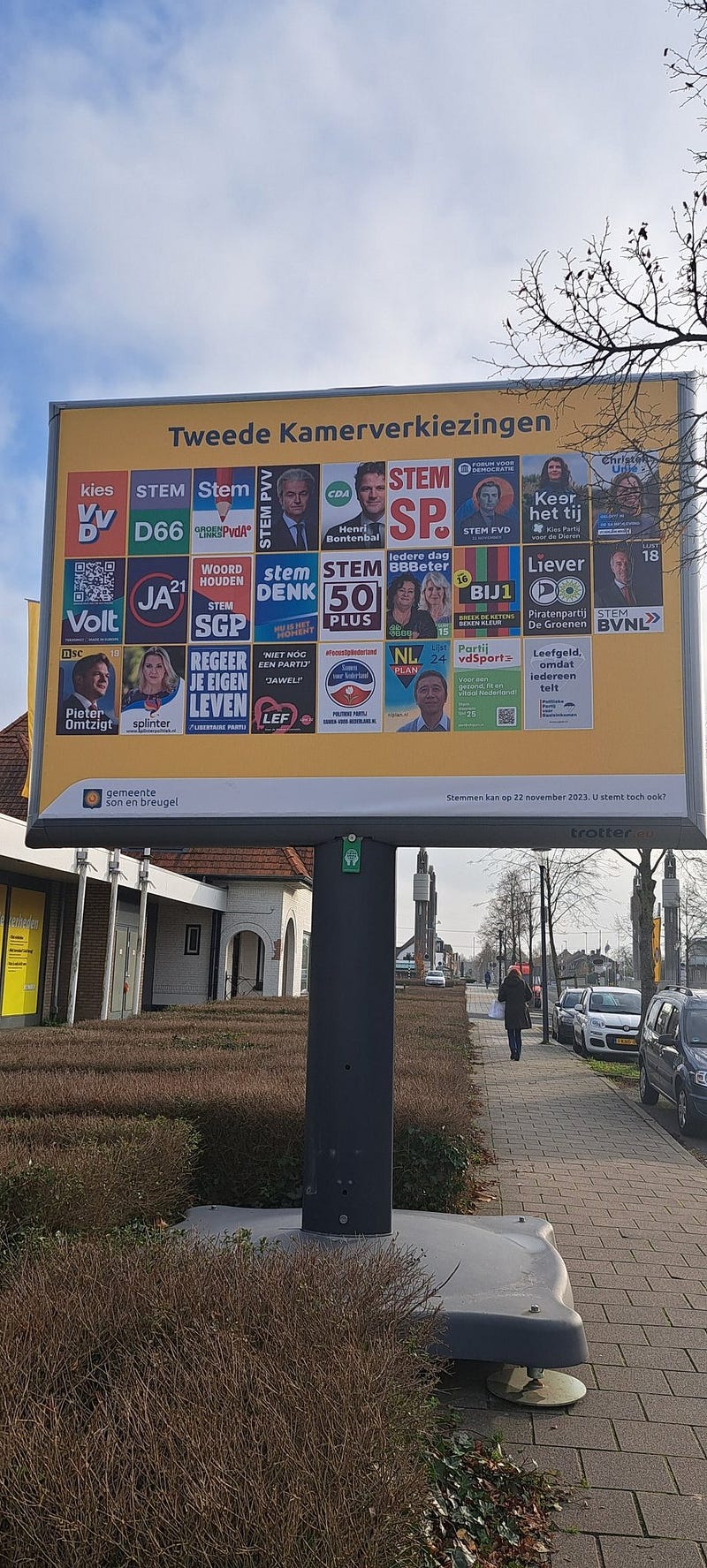
4. They have one or max two big displays per municipality with photos of different party representatives, unlike political banners and posters in other countries which pollute the environment.
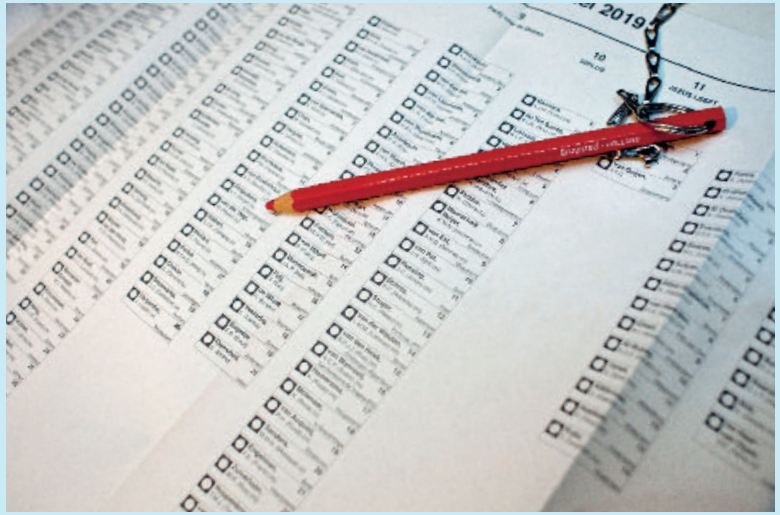
5. They use ballot paper and pencil to cast their vote on the election day.
6. There is no road show or large gathering before election days, although they have face to face in house debate.
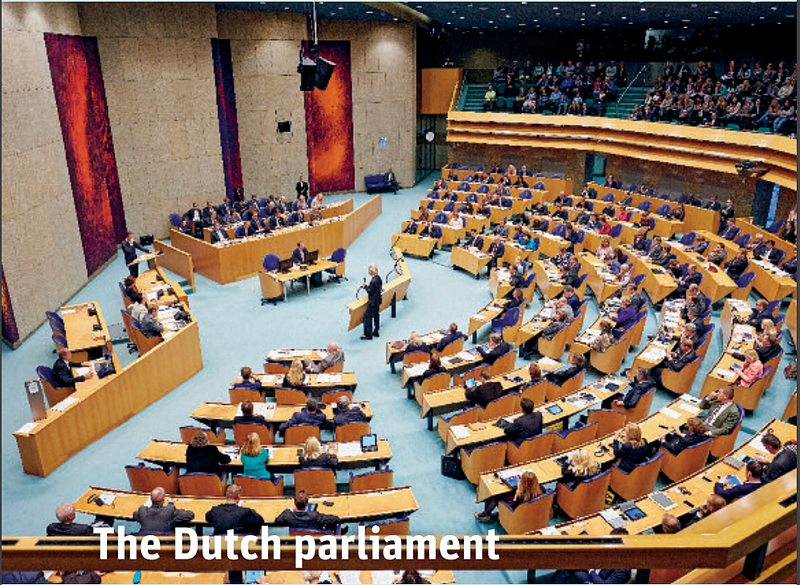
7. The Dutch Parliament has two houses, 1) the lower house (‘Tweede Kamer‘) with 150 seats elected directly by the people and 2) the upper house (‘Eerste Kamer‘) with 75 seats elected by the members of the provincial councils.
8. They neither distribute freebies’ before the election nor promise to provide free services after the election mandate.
9. There are other elections takes place with different responsibilities and in different time like Provisional Government, Municipality Government, Water boards. Normal resident without Dutch nationality can caste vote in Water boards election.
10. Candidates may not belong to the local municipality, but can contest election and represent them.
 InvestOnSelf
Leave a comment