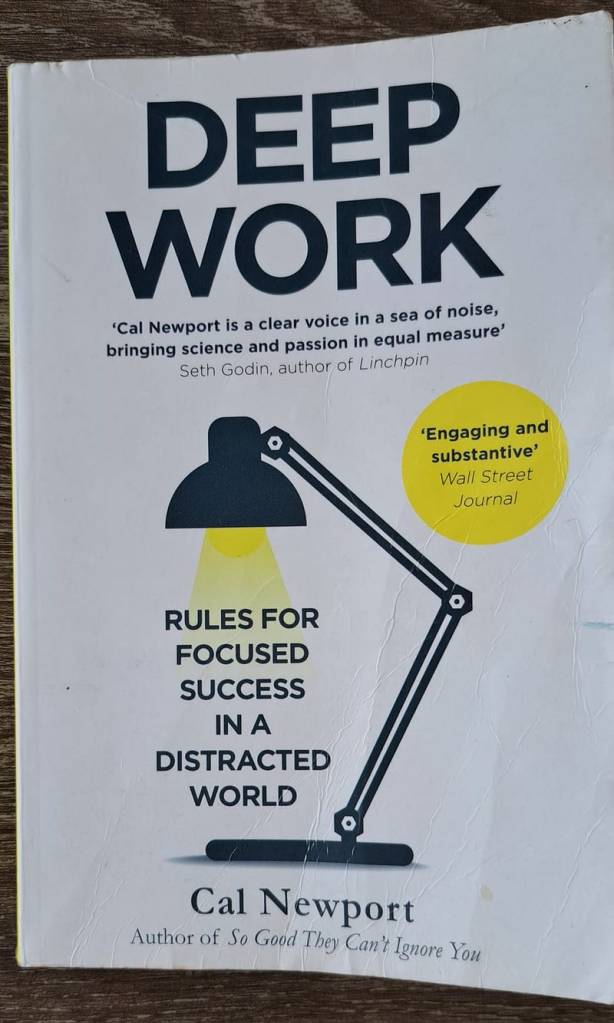
This book outlines the importance of focused, meaningful, high value, low stimulus, rare, and difficult to replicate (deep) work where distraction and low cognitive work are inevitable with the presence of network tools (like instant messages, email, social media), open office culture, etc. Here are the top ten lessons on why it is important to be a deep devotee and how we can attain that.
1. Machine Vs Human:
Nowadays, technologies and machines are way ahead, and most of our skillets & companies are lagging behind or outdated. To thrive in this new economic system, we need to excel in two things: 1) the ability to learn hard things quickly, 2) the ability to produce at an elite level. To acquire these skills, we should commit to deep work and focus intensely without distraction.

2. Unconscious Thought Theory:
Our conscious mind is finite, like a local standalone computer, while our subconscious mind acts like Google’s vast data centres with terabytes of information and helps to reach solutions for difficult questions. So rest the conscious mind so that the subconscious can activate and help us find a solution.

3. Grand Gestures:
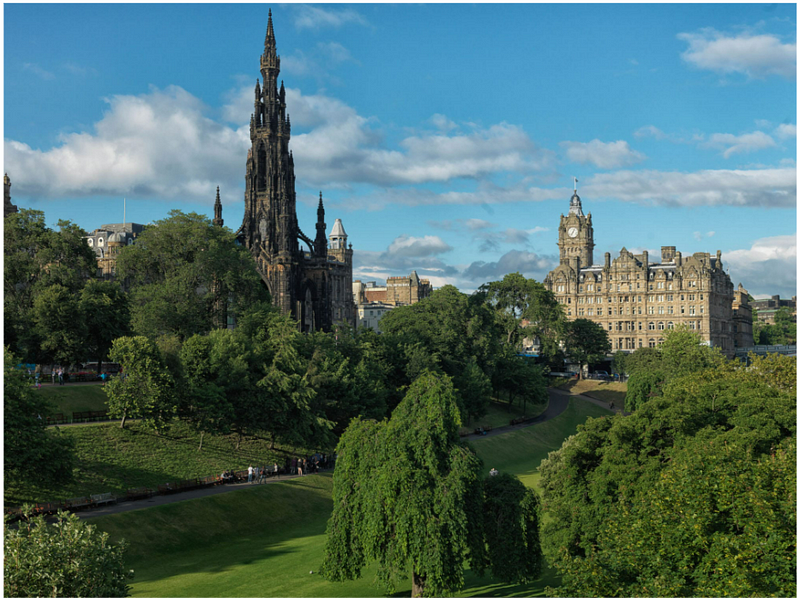
To reduce our procrastination instinct and push deep goals with mental priority, we should make radical changes in our normal environment, coupled with significant investment of money or effort. J.K. Rowling completed her last book by checking in to a suite in the five-star Balmoral Hotel. Peter Shankman wrote the entire manuscript in his round-trip business class trip to Tokyo from the States.
Deep Philosophy:
4. Monastic and Bimodal Philosophy
Donald Knuth, the famous computer scientist and mathematician, mentioned in his Stanford website note, “Email is wonderful who wants to be at the top of things, but instead my role is to be at the bottom of things.” He represents monastic philosophy, which means permanently abstaining or minimising all distractions from work. While Carl Jung, the famous Swiss psychiatrist, represents bimodal philosophy, which means divide your time into deep and non-deep time and during deep work time, act like monastically.
5. Rhythmic philosophy
The astronomically productive and guilt-free process is to take small action every day, like reading one page, running or walking some kilometres, etc. Try not to break this chain of good habits and add visual aids for motivation. This daily practice approach is known as rhythmic philosophy and holds good for human nature.
6. When you work, work hard and When you are done, be done.
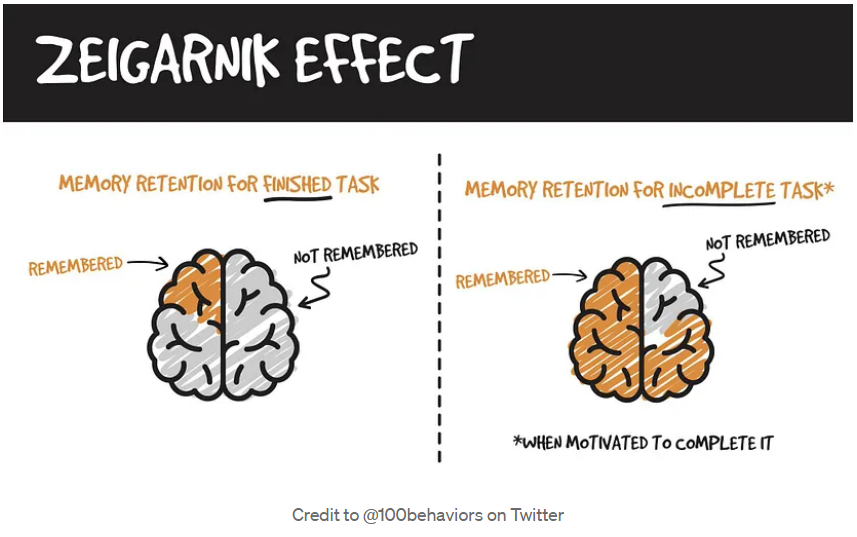
Do you feel stress when a given task is incomplete or interrupted? If so, then this is natural, as our brain remembers the incomplete task and forgets the complete task. This is known as the Zeigarnik effect, named after psychologist Bluma Zeigarnik. So make a plan for incomplete tasks as part of the shutdown ritual to overcome this effect and bring next-day productivity.
7. Productive Meditation:
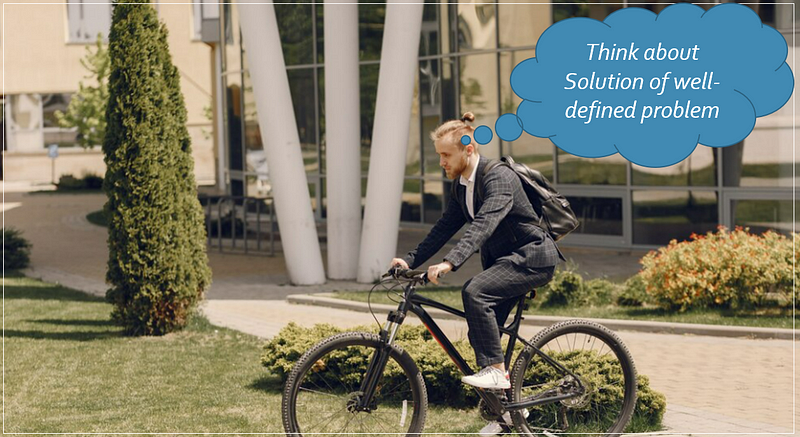
It is a combination of one physical activity like walking, cycling, or jogging with a well-defined problem to strengthen the distraction-resistance muscle and find a solution. Finding time for this strategy is easy (like a ride to the office, a walk to the supermarket, etc.), as it takes advantage of periods that would otherwise be waste.
8. Attention Residual:
Why is multi-tasking not productive for many people? When we switch from, let’s say, Task-A to Task-B, our attention doesn’t follow immediately. Although a residue of our attention remains stuck thinking about original task-A. So a single hard task for a long time without switching minimises attention residue and adds more value to this one task.

9. Day within a day:
Put more thought and planning into your leisure time, don’t default to whatever catches our attention at the moment. Deep work is hard in the absence of clear goals, unlike shallow work. Ten hours preceding and six hours following to our work hour schedule (10–18) is the time for rigorous self-improvement to thrive in our lives. We feel fulfilled if we give our minds something meaningful to do throughout our waking hours.
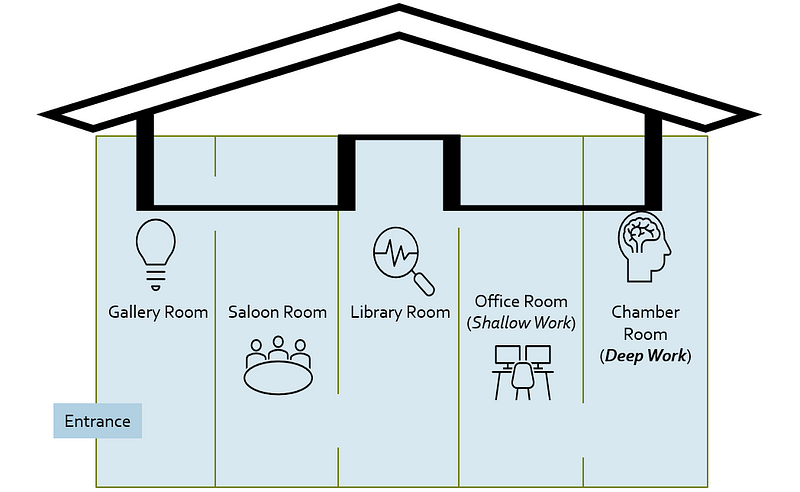
10. Don’t take breaks from Distractions, instead take breaks from focus.
Drain the shallows by self-imposing network isolation (like digital detox, making ourselves hard to reach, no meetings, etc.), scheduling every minute, and using the packing party technique.
The best moments are when our body or mind is busy and stretched to its limit, which is structured to achieve a goal (and a bit difficult one) with focus rather than free time, which is unstructured and requires more effort to be happy. This is an attempt to brief some important points here. We should not stop here, instead read the complete book to get the most benefit out of it.
Do you know why investing is not hard science and pessimism attracts?
Then spend your 5 mins to read fascinating The Psychology of Money.
 InvestOnSelf
Leave a comment